Thur 11.6.2026 until Sat 18.7.2026
kex—kunsthalle exnergasse
B
QUEER ART SPACES VIENNA 2026
Artists: Danilo Andrés, Atabey fka Carlos Maria Romero, Feministisches* Bloco Descolonial, Zosia Hołubowska, Otto Krause & Milan Loviška, Nina Sandino, Kia Sciarrone, Anita Steinwidder
Curated by Dorian Bonelli and Frederik Marroquín
after the last ready-made is part of the art and community festival “Synergies of Solidarity” organized by Queer Art Spaces Vienna. Within the festival queerness is conceived not as an identity but as a strategy for encountering our turbulent times through artistic and collective ideas drawn from the community.
Festival Management and Head of Queer Art Spaces Vienna: Michael Kaufmann and Jasmin Hagendorfer
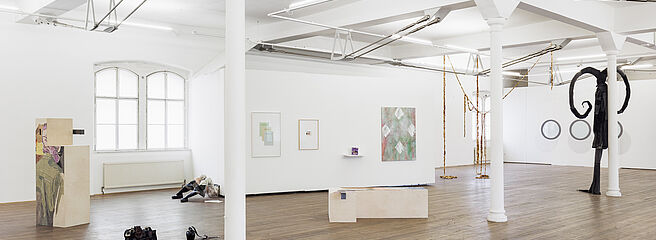
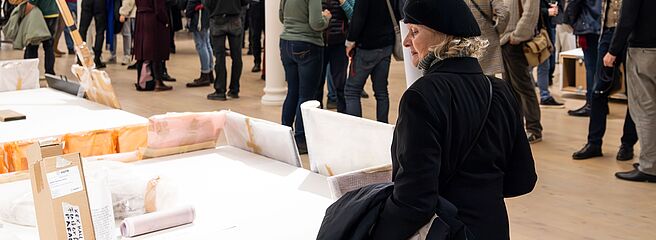
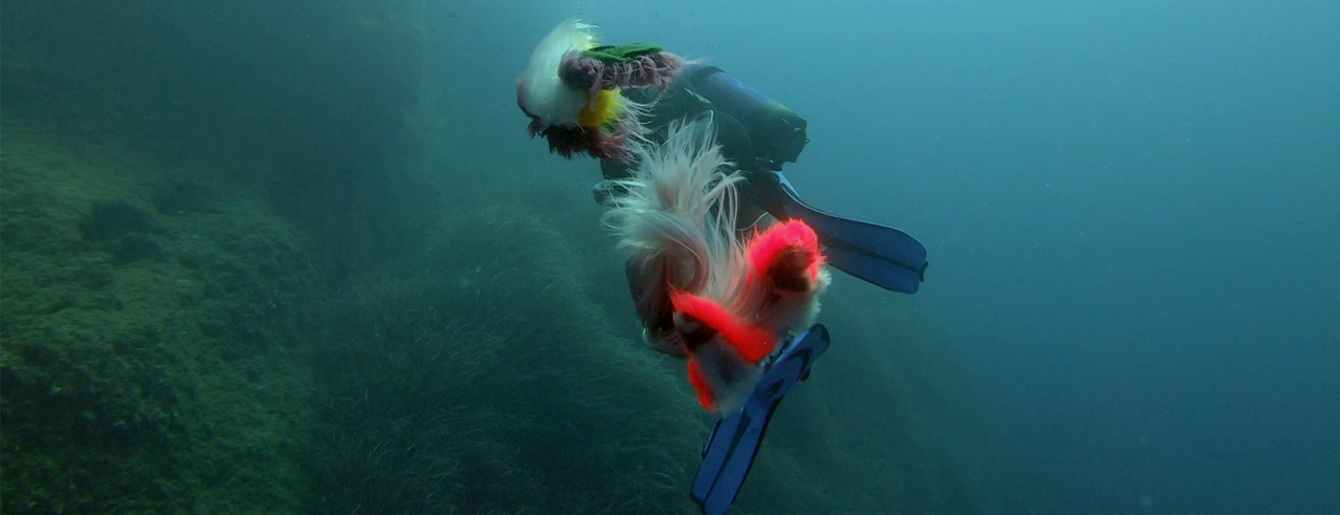
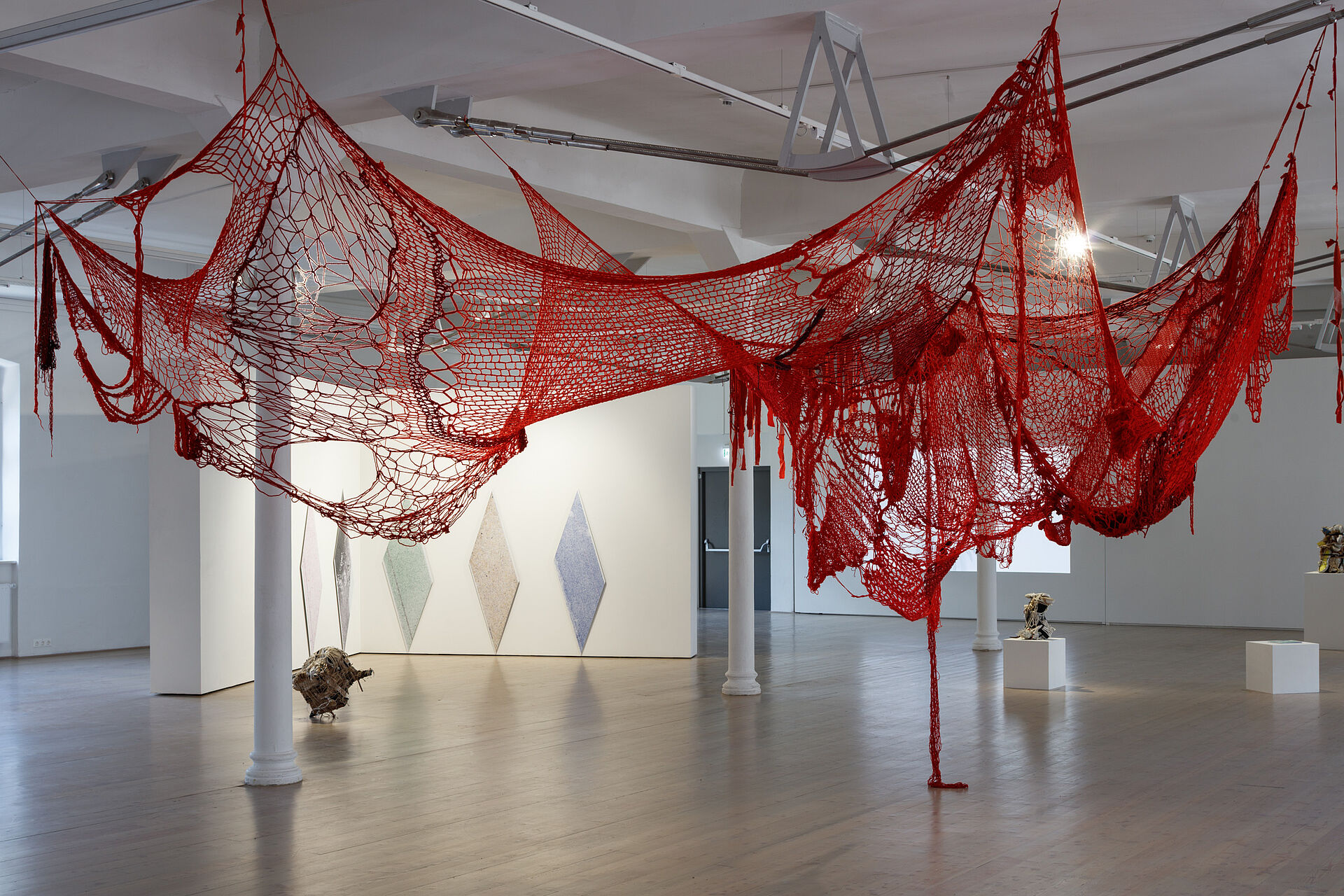
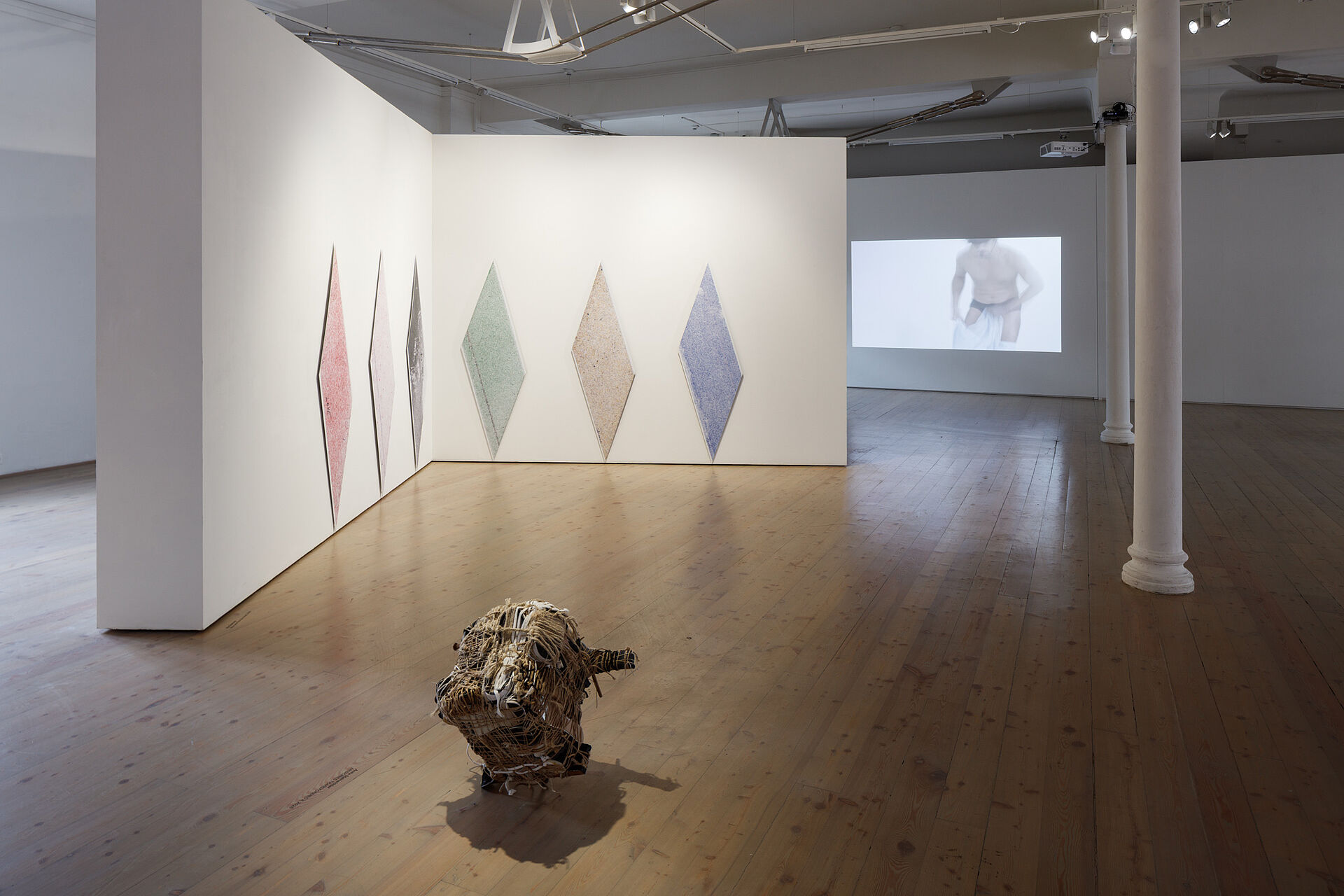
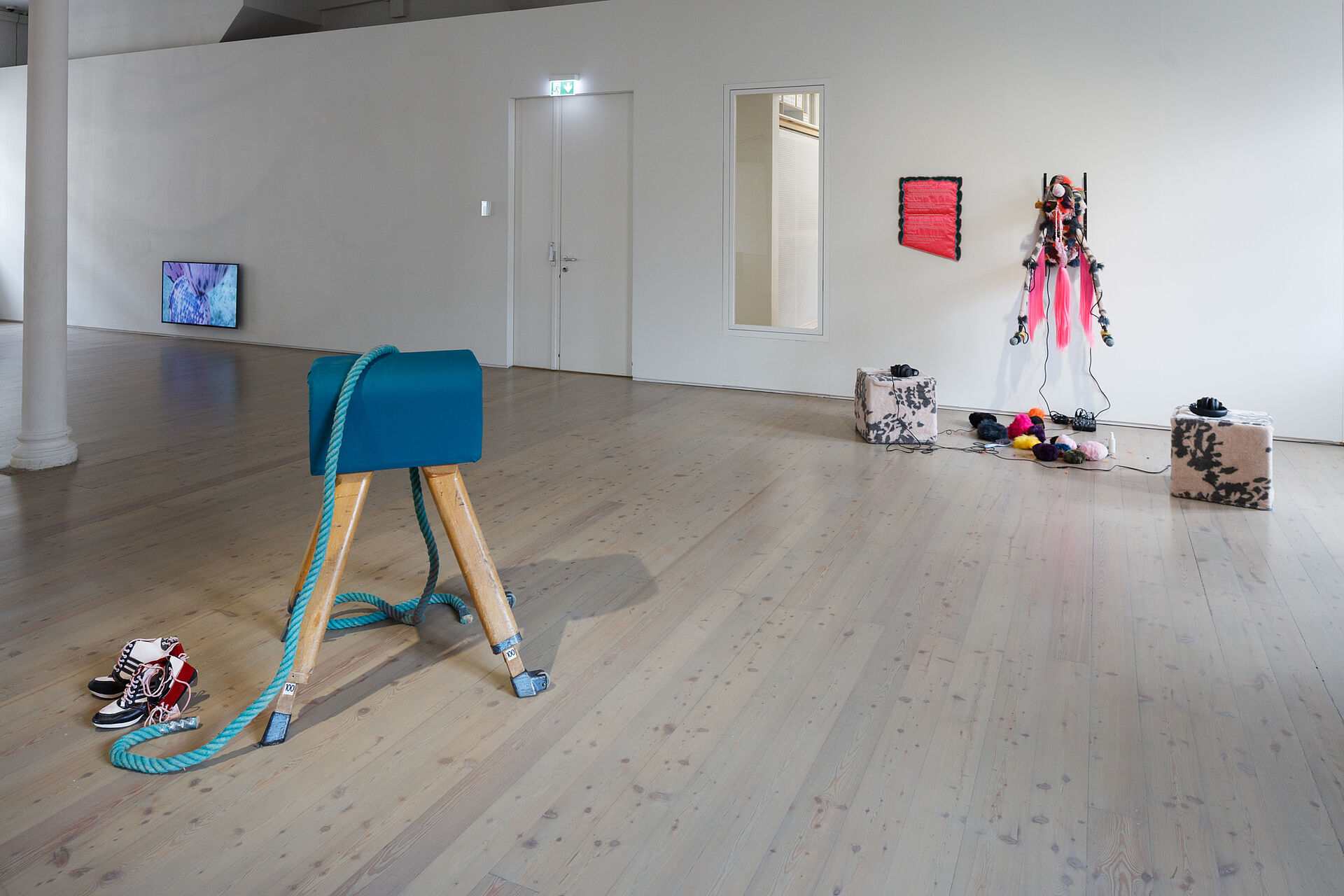
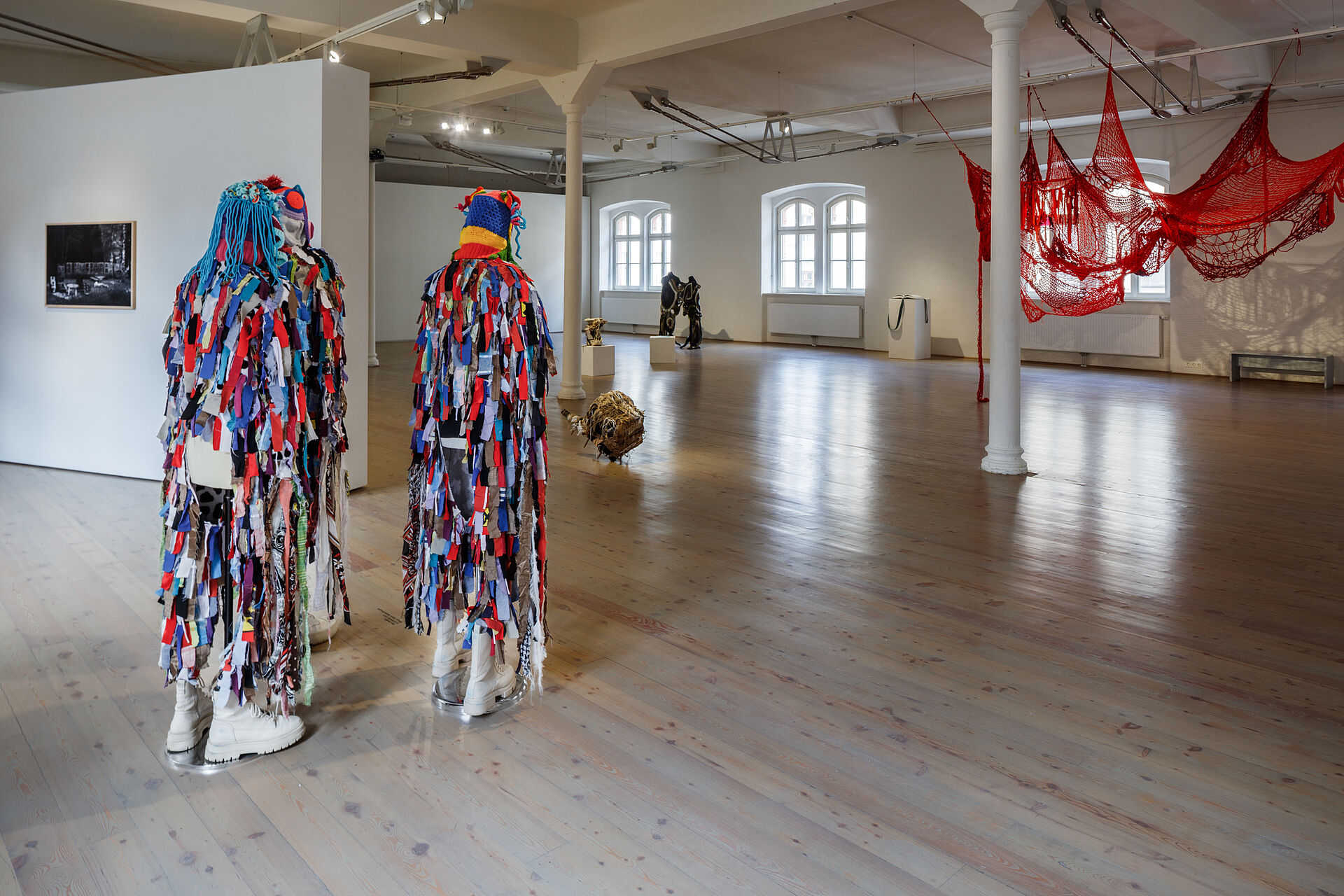
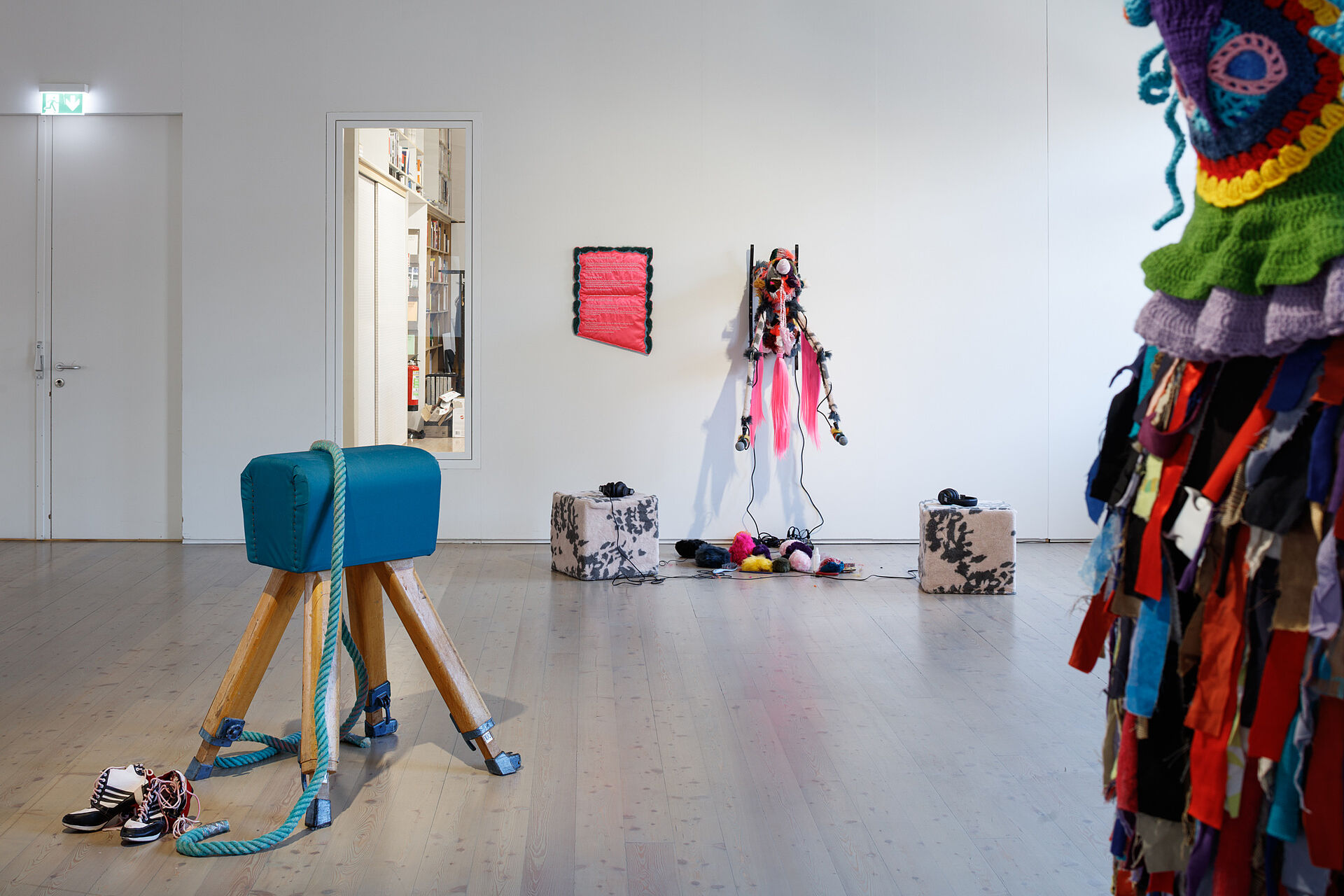
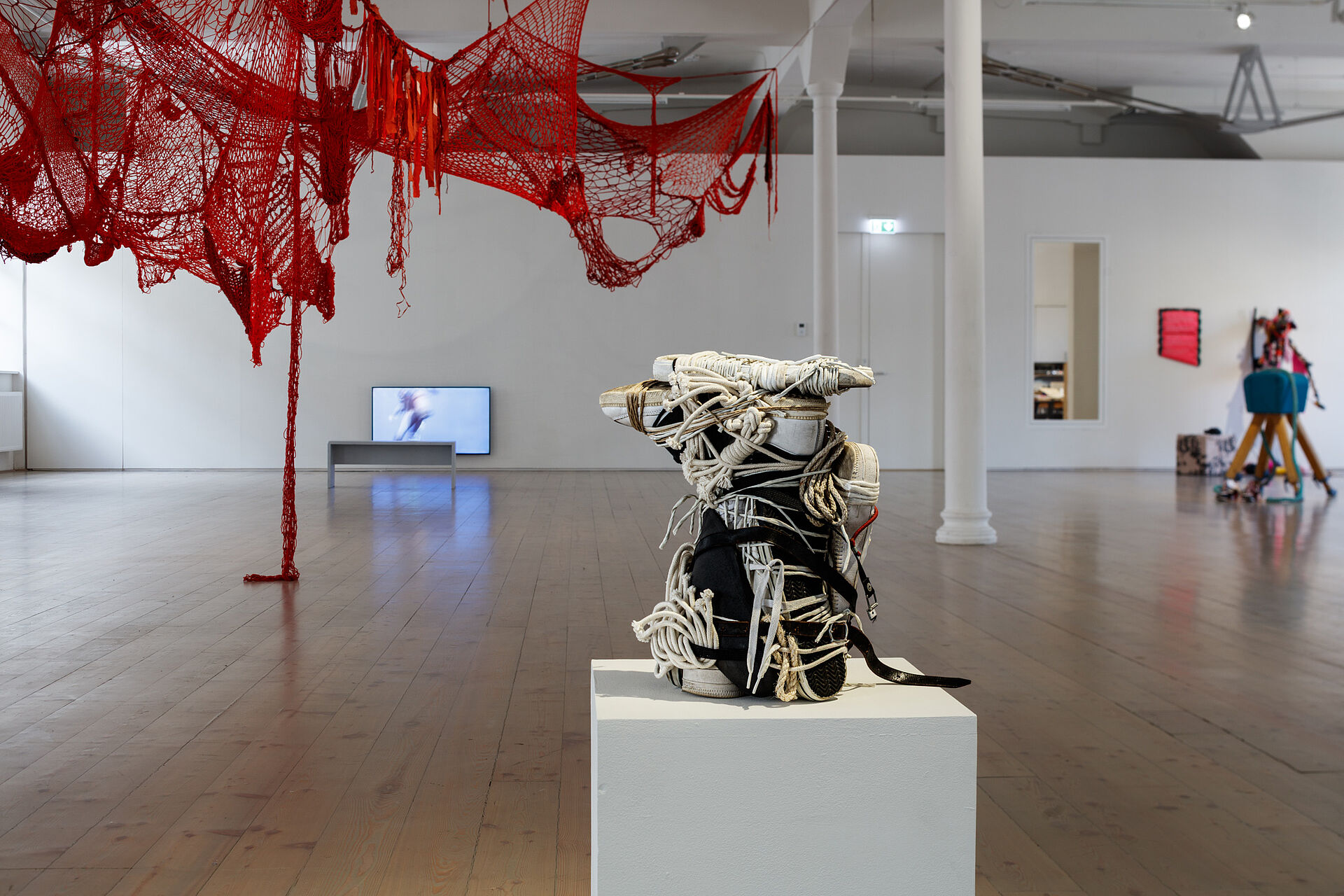
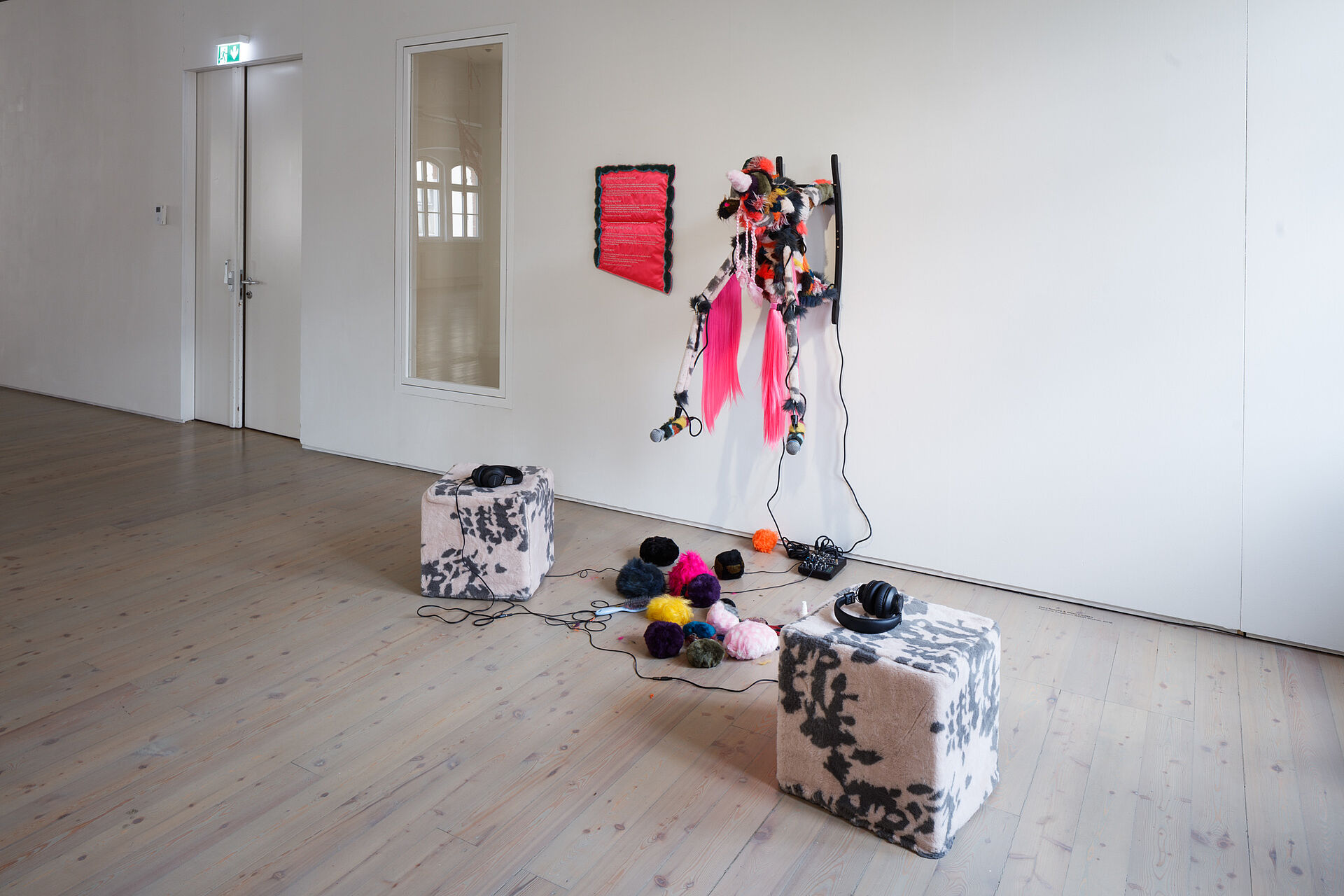
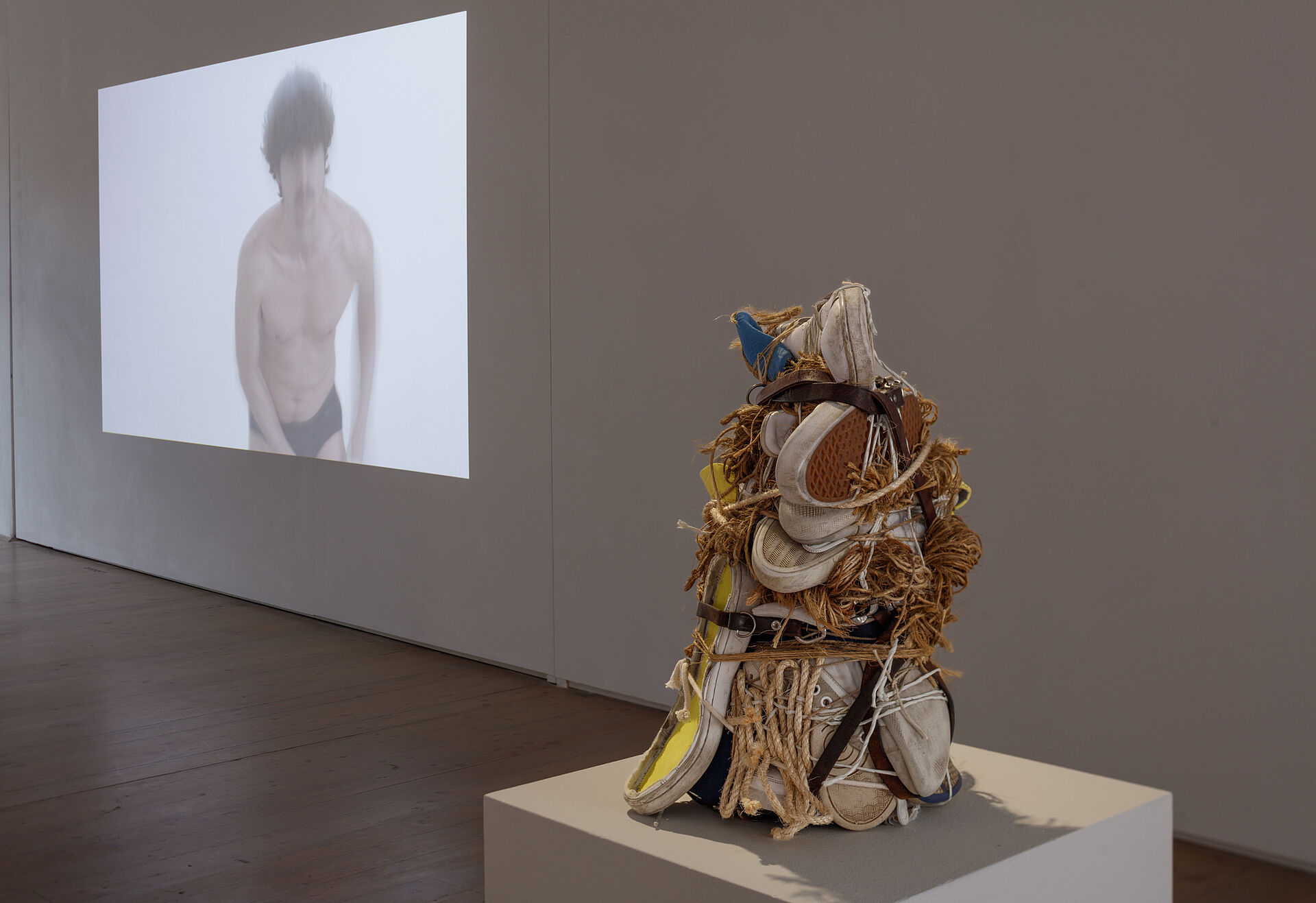
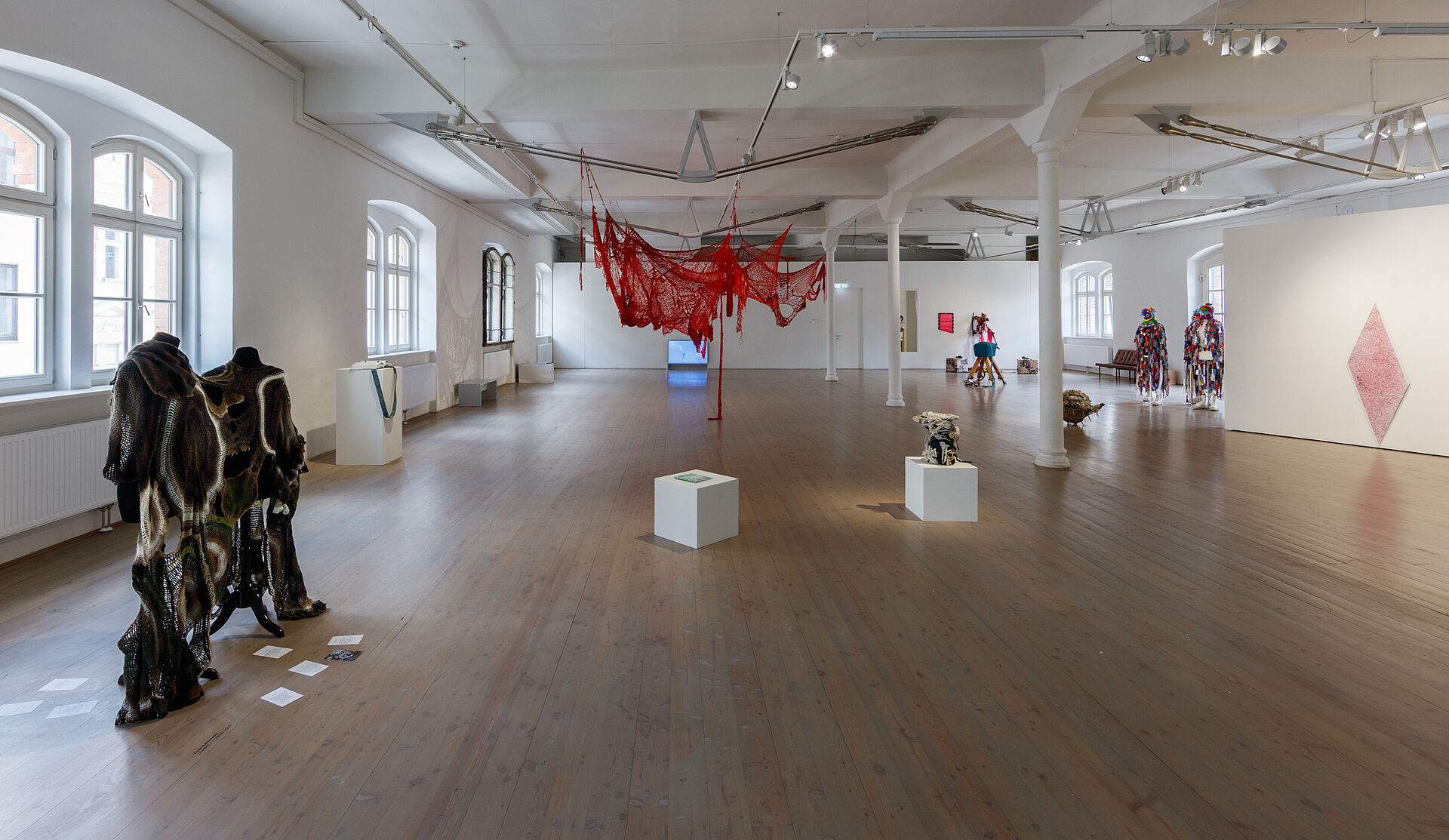
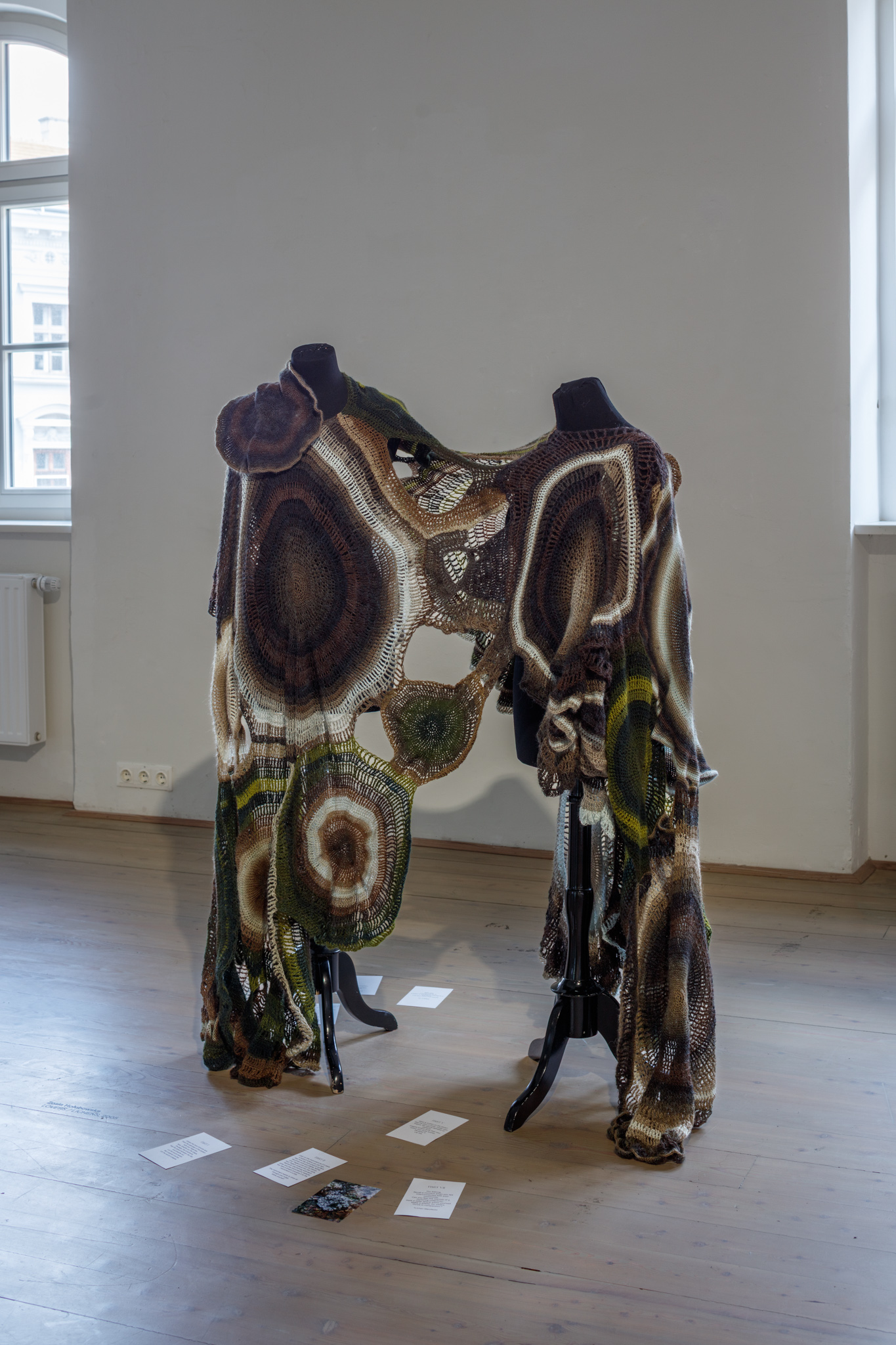
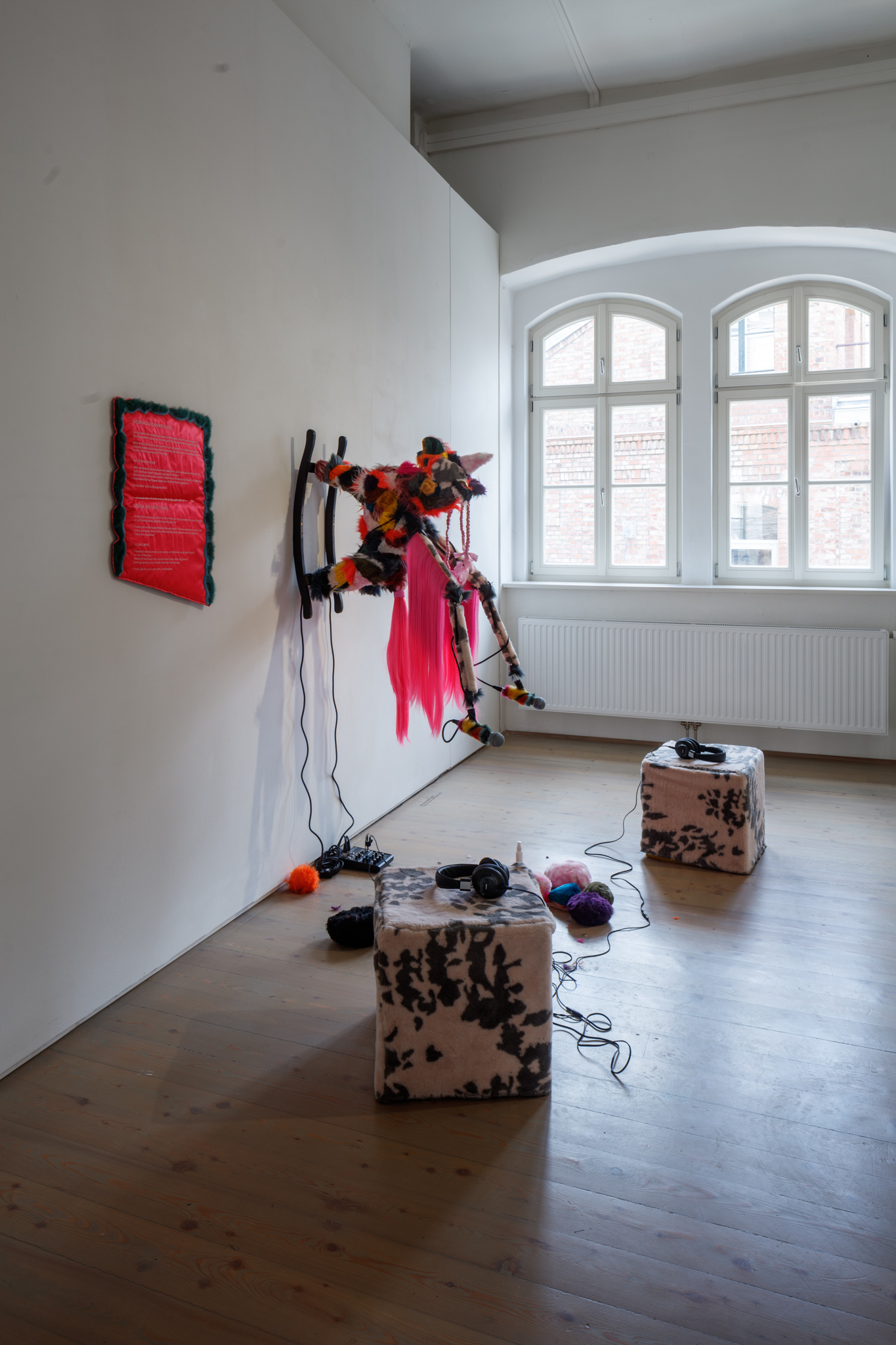
The exhibition after the last ready-made focuses on textile work, crafting and sensitive creative processes. The ready-made once marked a radical gesture: the moment an ordinary manufactured object could be displaced, renamed, and reimagined as art. A century later, the logic of ready-made commodities has become the logic of everyday life. Our clothes, our identities, even our desires are “off the rack” and offered to us as standardised, readily available, and endlessly replaceable objects.
after the last ready-made gathers queer artists working with textiles, garments, and material practices to question this condition. Clothing resides at the intersection of body, industry, and self-invention. It is one of the most intimate interfaces between mass production and personal identity. In the era of fast fashion, garments are produced through global systems of extraction, exploitation, and waste.
Opposing this regime of standardised identities and commodities, the works in this show slow down, share, repair, and shapeshift into new forms of belonging.
Queer practice has long understood identity not as something given but as something made – improvised, altered, and continuously negotiated. In this sense, the exhibition does not simply declare the end of the ready-made object. It asks what comes after: when bodies refuse standardized forms, when materials are reworked rather than consumed, and when fashion becomes a space of collective imagination as opposed to disposable production, when our chosen second skin becomes sensitive again.
Funded by Bezirk Alsergrund, WASt, Wiener Antidiskriminierungsstelle für LGBTIQ-Angelegenheiten, ÖH Uni Wien, Kultur Alsergrund.
Supported by Schlumberger.

Exhibtion Guide
Download PDF